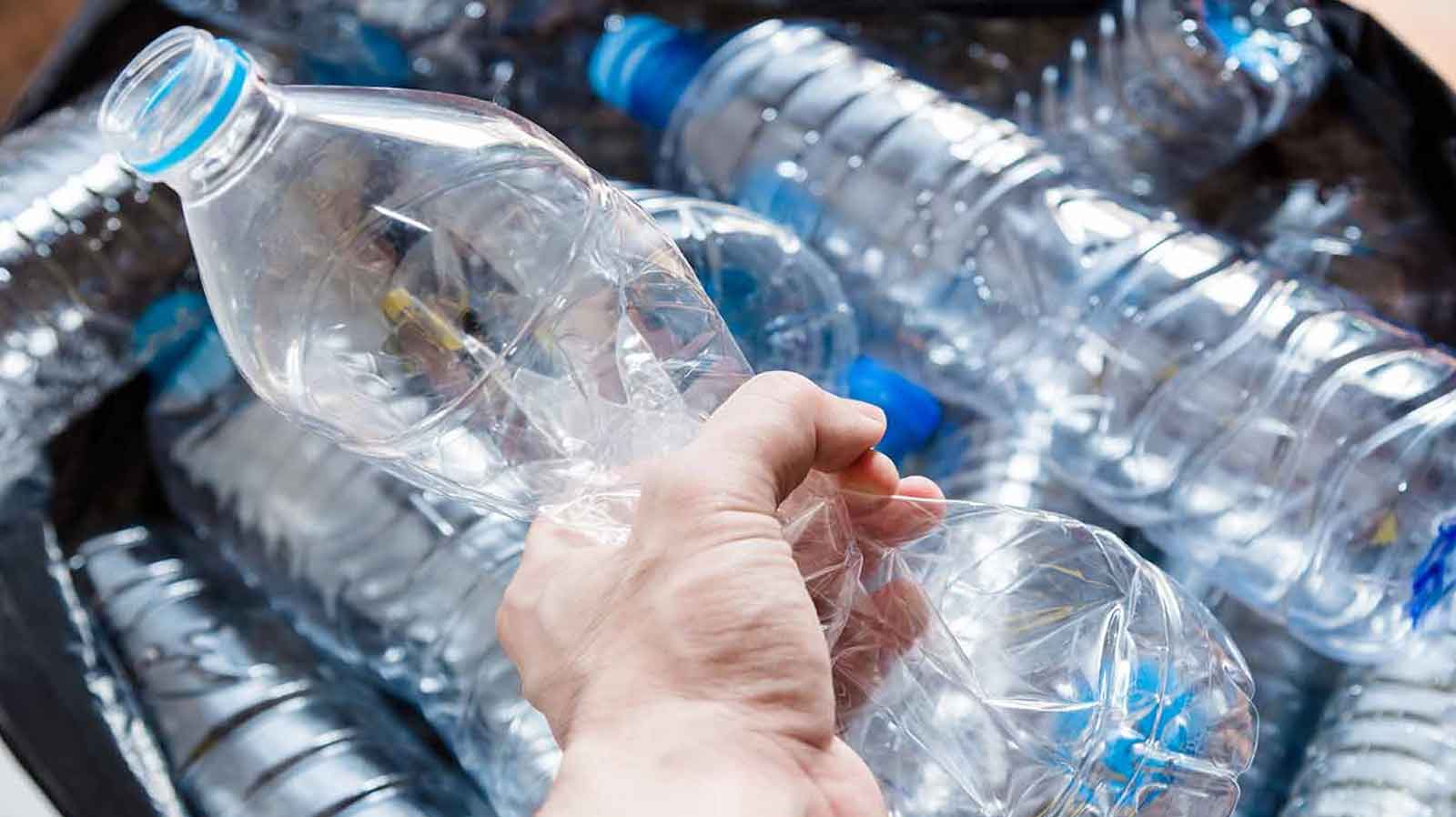
Plastic doesn’t really break down properly. It does not biodegrade but essentially crumbles into smaller and smaller pieces of plastic, which end up in the food chain, being consumed by animals, polluting soil and water. Plastic can very often be found in the guts of wild animals – sometimes for example up to 200 pieces in a single bird – and a study has estimated that plastic will be in the bodies of 99% of seabirds by the year 2050. It is already at 90%. This is absolutely a crime against nature!
Phthalates
Plastic water bottles might also contain phthalates, which have been deemed as potentially harmful by The Natural Resources Defense Council (NRDC). They quoted that “About 22 percent of the brands we tested contained, in at least one sample, chemical contaminants at levels above strict state health limits.
Some plastics are worse than others for health and for the environment. For a list of the plastics #1 to #7 with an explanation of their health effects, please go here: (coming shortly).
Recycling the plastic helps somewhat but doesn’t completely get rid of it: All the recycled plastic items will eventually get discarded too! At least it will get multiple uses instead of only one, but it is far from ideal. The simple fact is that we should not be creating items that we cannot properly dispose of and send “back to nature”.
The World Health Organization (WHO) has stated that human exposure to dioxins can result in damage to many organs in the body. One of the great challenges of dioxins is that because they are only present in small quantities, they are difficult to remediate. Once this stuff is in the wild it can’t be put back where it came from.
Also according to the WHO, short-term exposure to dioxins may cause skin lesions and alterations in liver function. There may also be long-term effects on the nervous system, the endocrine system, and the reproductive system.
BPA and BPS
Bisphenol A (BPA) is commonly found in baby bottles and food packaging. The FDA released a statement that BPA “is safe at very low levels that occur in some foods” – yet some studies have revealed that it may be harmful to developing fetuses and young children. Based on the results of these studies, the use of BPA in the manufacture of baby bottles and “sippy cups” has been banned in the USA and some other countries; however there is more controversy here as the replacement chemical – Bisphenol S – that is being used in place of Bisphenol A, stands accused of being at least as bad and functioning as an endocrine disruptor.
Perhaps within a hundred years we will have robots collecting up all the plastic garbage, putting it on rockets and firing it into the sun. There must be a more cost effective solution.
But this is just plastic bottles. Don’t even get me started on glitter. Yes, glitter is tiny pieces of plastic and ends up in the food chain.
A staggering two million plastic bottles are bought every five minutes all over the world – most of which will be used once and then discarded.
America alone uses about 50 billion plastic water bottles per year – 137 million per day. However, the U.S.’s recycling rate for plastic is currently only 23 percent, which means 38 billion water bottles – more than $1 billion worth of plastic – are simply discarded each year. That’s 1,200 plastic bottles per second being dumped, day and night.
The oceans are now absolutely choking with plastic. Future generations are going to curse our memory for this – is that the kind of legacy you wish to leave behind for your grandkids? Really? If you haven’t already figured out what a massive environmental problem this is, then you really have your head in the sand. We are killing ourselves. You think we can kill the world and survive on a dead planet? How is it that we consider ourselves somehow separate from what we are doing to the world that is our source of air, water and food. It all comes back around.
What’s especially ironic is that much of the bottled water that people consume (such as Aqua Fina or Dasani) is simply purified municipal tap water! It already comes through pipes to your house! You could get a top quality water filter and a reusable water bottle (such as the awesome SIGG ones which are not plastic lined) and not do this at all – saving tons of money, resources and the environment.
Oh and while you are at it, please take your own cup when you go to get coffee, rather than using a disposable cup.
Plastic Bottles Are Harmful To Humans
Beyond this, plastic bottles are harmful to humans. Plastic leaches toxins such as phthalates into the water, which have been linked to health problems such as reproductive issues and cancer. Scientific study has found significant estrogenic disruption caused by toxins from plastic water bottles.
Dioxins (Yes Really)
Studies have shown that very dangerous chemicals called dioxins may be released by the plastic used in water bottles. [4] When a plastic bottle becomes hot from the sun, these dioxins become more likely to seep from the plastic material, causing pollution the water and therefore potentially harming the person who drinks it.
Dioxins are infamous environmental pollutants that are highly toxic even in small quantities. Dioxins are now prevalent throughout the world. They are known to cause developmental problems and to inhibit immune function. They belong to a sector of dangerous environmental pollutants which have been nicknamed the dirty dozen.