
From Relieving Menstrual Cramps to Preventing Heart Disease
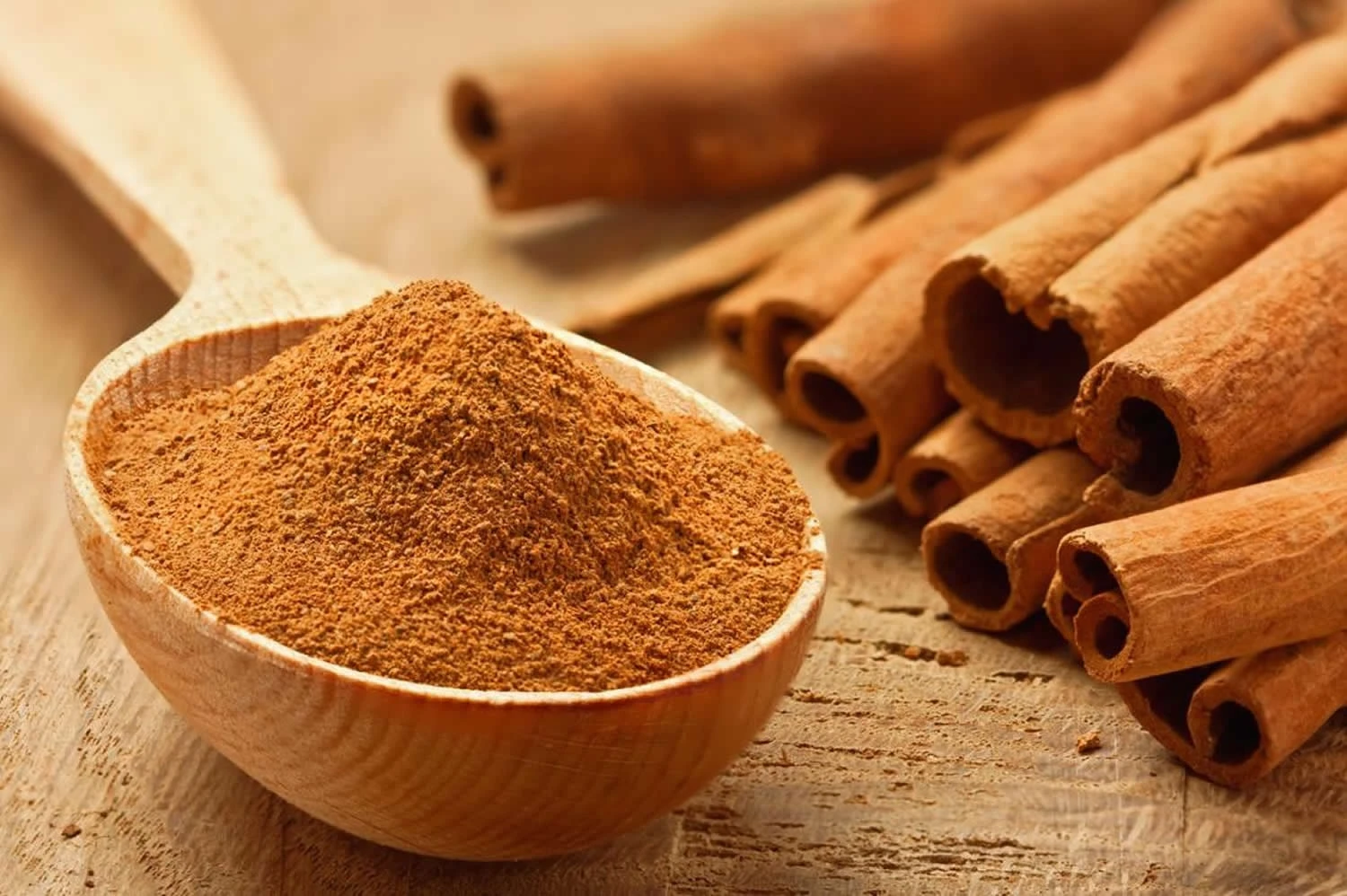
Cinnamon has been known as an aromatic kitchen spice that makes the taste of food and drinks more delicious. However, behind its distinctive aroma, cinnamon holds incredible health properties that often go unnoticed.
If cinnamon is usually only used as a complement to coffee, tea, or cakes, now is the time to look at it from a different perspective: as a nutrient-rich herbal spice that plays an important role in maintaining the health of the body.
It’s no wonder that cinnamon has been used in traditional medicine for hundreds of years in different parts of the world. So, what are the actual benefits of cinnamon for health?
Nutritional Content of Cinnamon That Is Rarely Realized
Based on data from the United States Department of Agriculture (USDA), about 2.6 grams of ground cinnamon contain the following nutrients:
- Energy: 6.42 calories
- Carbohydrates: 2.1 grams
- Calcium: 26.1 mg
- Iron: 0.21 mg
- Magnesium: 1.56 mg
- Phosphorus: 1.66 mg
- Potassium: 11.2 mg
- Vitamin A: 0.39 micrograms
Not only that, but cinnamon also contains small amounts of vitamins B and K, and is rich in antioxidants such as polyphenols, beta-carotene, lutein, and zeaxanthin. This content is what makes cinnamon have great potential in maintaining overall body health.
Benefits of Cinnamon for Health
Reporting from ciputrahospital.com and summarized from a number of other health articles, here are nine benefits of cinnamon for health that are a pity if you miss:
1. Increase Endurance
Cinnamon is rich in polyphenol antioxidants that help fight free radicals that cause cell damage. In addition, its anti-inflammatory properties help reduce inflammation so that the immune system can work more optimally against infections.
2. Helps Overcome Stomach Problems
Cinnamon has long been used as a traditional remedy for digestive disorders. Its antispasmodic properties help relieve stomach cramps, bloating, and excess gas, while also soothing an irritated stomach.
3. Supporting Weight Loss Programs
Kayu manis berperan dalam menjaga kestabilan gula darah dengan meningkatkan sensitivitas insulin. Kadar gula darah yang stabil dapat membantu mengontrol nafsu makan dan mencegah rasa lapar berlebihan.
However, cinnamon is not an instant fix. A balanced diet and regular physical activity are still necessary for optimal results.
4. Relieves Menstrual Cramps
Cinnamon is known to help alleviate menstrual pain in women. Its antispasmodic properties help relax uterine muscles, thereby reducing menstrual cramps. It is typically consumed as a warm tea.
5. Prevents Cancer
The flavonoid and polyphenol compounds in cinnamon possess potent antioxidant effects that help protect the body’s cells from damage. Some studies suggest that cinnamon has the potential to inhibit the growth of certain cancer cells, although further research is still required.
6. Maintains Heart Health
Cinnamon offers significant benefits for heart health. This spice helps lower LDL (bad) cholesterol levels and aids in controlling blood pressure—two major risk factors for heart disease.
7. Helps People with HIV/AIDS
Some preliminary studies indicate that compounds in cinnamon have immunomodulatory effects, helping to regulate the immune system’s response. While promising, individuals with HIV/AIDS should still consume it under medical supervision.
8. Stabilizes Blood Sugar Levels
Cinnamon is widely recognized for helping people with type 2 diabetes manage their blood sugar. Its components enhance insulin sensitivity, making glucose absorption more effective.
However, cinnamon is not a substitute for diabetes medication and should be consumed according to a doctor’s recommendations.
9. Lowers the Risk of Neurodegenerative Diseases
Active compounds such as coumarin in cinnamon have the potential to protect brain cells from inflammation and damage. This is linked to a reduced risk of neurodegenerative diseases like Alzheimer’s and Parkinson’s, although further research is still needed. Side Effects of Excessive Cinnamon Consumption
Despite its benefits, consuming cinnamon in excess can cause side effects, such as:
- Skin and mouth irritation
- Gastric disorders
- Allergic reactions
- Interactions with certain medications
- Risk of liver and kidney disorders
- Blood-thinning effect
- Potential risks for pregnant women