Rice is a staple food ingredient for the Indonesian people which is also a source of carbohydrates.
In addition to white rice, there are various types of rice that contain many nutrients so that they can provide many benefits for the health of the body.
Diabetics sometimes feel worried when consuming white rice that is processed into white rice.
However, there are several types of rice that can be the choice of diabetics because they have a low glycemic index.
Even though it has a low glycemic index, some of these types of rice are also rich in fiber and nutrients that can help manage blood sugar properly.
Here are some types of rice with a low glycemic index.
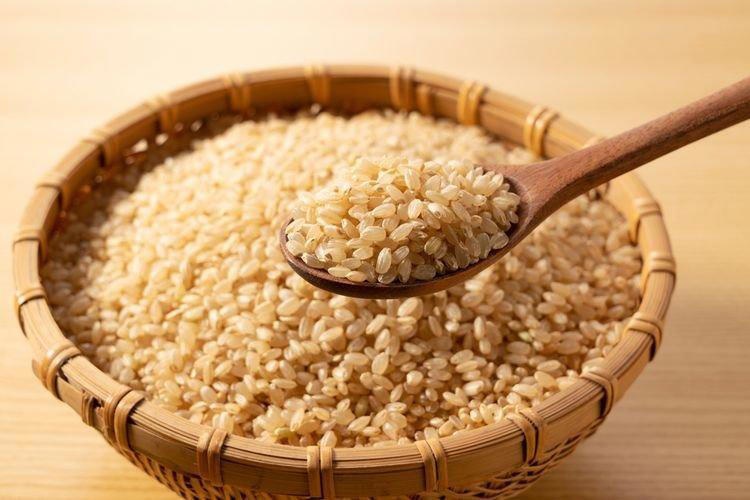
1. Brown rice
Brown rice is rich in nutrients that are important for the body such as fiber, protein, and antioxidants.
Fiber is beneficial for slowing down the absorption of glucose.
Brown rice is a healthy rice for diabetics with a glycemic index between 45 and 52.
The red color in rice comes from anthocyanins, antioxidants that are beneficial for reducing inflammation and improving insular sensitivity.
Replacing white rice with brown rice can help improve metabolic health and keep blood sugar levels stable.
2. Basmati rice
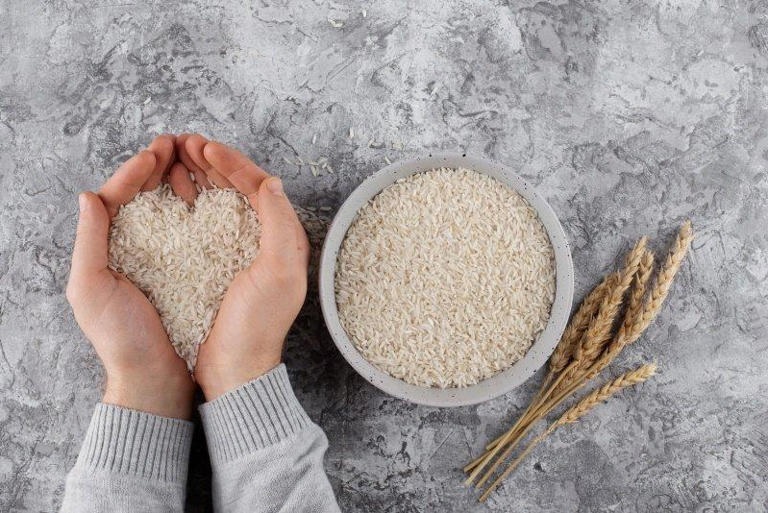
In addition to brown rice, white basmati rice can also be an option for diabetics.
Basmati rice has a lower glycemic index when compared to other white rice varieties.
It is recommended to consume brown basmati rice.
This rice has a whole bran layer, which serves to provide extra fiber, B vitamins and minerals.
3. Brown rice
Brown rice can be the best rice as a substitute for white rice.
Brown rice is high in fiber and contains flavonoid antioxidants that are important for preventing various diseases.
Among them are high cholesterol, high blood pressure to heart disease.
Brown rice has a glycemic index of around 50, so it’s good for keeping blood sugar stable for longer.
4. Black rice
Black rice is a nutrient-dense grain with a glycemic index of approximately 35–45; it is also rich in fiber and potent antioxidants.
It is particularly rich in anthocyanins, which help combat oxidative stress.
5. Corn rice
The final rice alternative to white rice is corn rice.
This product is made from whole corn that is ground and then shaped to resemble standard rice grains.
Corn rice has a soft, fluffy texture similar to regular rice.
It is high in fiber, making it beneficial for digestive health, lowering blood cholesterol levels, and reducing the risk of cardiovascular disease.