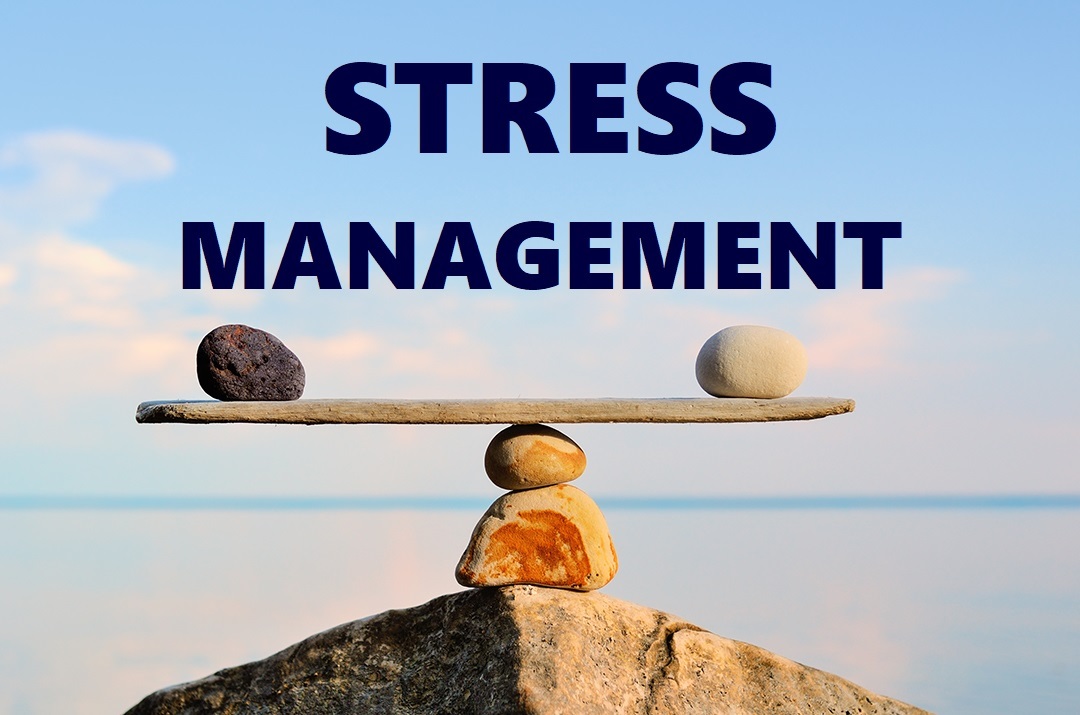
Stress management involves practical techniques and lifestyle changes designed to control emotions, reframe thoughts, and reduce the physical toll of daily pressure. Effective methods include deep breathing, regular physical exercise, setting clear personal boundaries, and maintaining supportive social connections.
Read also
Quality Sleep
Drink Plenty of Water to Flush Out Glucose
Take a 15-Minute Post-Meal Walk
Prioritize Low-Glycemic
Physical Techniques
Deep breathing: Slow your heart rate down with long, controlled exhales.
Body movement: Go for a short walk or stretch tight neck and shoulder muscles.
Exercise: Workout regularly to lower emotional intensity and burn off tension.
Rest: Aim for seven or more hours of quality sleep each night.
Mental and Behavioral Habits
Set boundaries: Learn to say “no” to extra tasks you cannot handle.
Reduce triggers: Take breaks from social media and stressful news updates.
Reframe thoughts: View frustrating situations, like traffic or delays, as quiet rest time.
Stay connected: Talk through your concerns with trusted friends or family members.