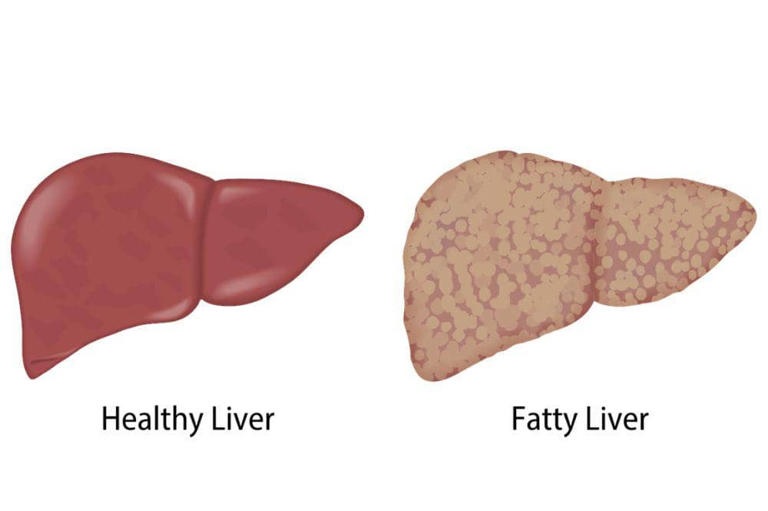
Fatty liver disease—recently renamed steatotic liver disease (SLD)—is a medical condition where excess fat builds up inside liver cells, potentially causing inflammation and irreversible organ damage. While a healthy liver contains a small amount of fat, an accumulation exceeding 5% to 10% of the liver’s total weight can impair its ability to filter toxins, process nutrients, and regulate metabolism.The condition is broadly categorized into
Alcoholic Fatty Liver Disease (AFLD), driven by heavy alcohol use, and
Metabolic Dysfunction-Associated Steatotic Liver Disease (MASLD), which is closely linked to insulin resistance, obesity, and high blood pressure.
Quoting from the Mayo Clinic, the condition, which is now called metabolic dysfunction-associated steatotic liver disease (MASLD), is generally experienced by people with overweight, obesity, or other metabolic disorders such as type 2 diabetes, high blood pressure, and high cholesterol.
Reporting from Max Hospital, fatty liver is divided into two main types, namely nonalcoholic fatty liver (NAFLD) related to metabolic disorders, and alcoholic fatty liver (AFLD) caused by excessive alcohol consumption.
If left untreated, fatty liver can develop into more serious liver inflammation, even leading to scarring or cirrhosis. Therefore, it is very important that you recognize this condition from the beginning.
Fatty Liver Symptoms

Unfortunately, fatty liver is known as a silent condition because it rarely causes obvious symptoms in the early stages. However, according to the Mayo Clinic, several symptoms may appear, including:
- Excessive fatigue.
- Feeling unwell or malaise.
- Pain or discomfort in the upper right abdominal area.
According to Max Hospital, several other symptoms can appear as this condition progresses, such as unexplained weight loss, loss of appetite, and abdominal swelling due to fluid buildup.
If the condition progresses to inflammation or cirrhosis, the symptoms can be more serious, such as:
- The skin feels itchy.
- Swollen stomach (ascites).
- Shortness of breath.
- Swelling in the leg area.
- Blood vessels appear like cobwebs under the skin.
- Enlargement of the spleen.
- Discoloration of the skin on the palms of the hands.
- Yellowing of the skin and eyes (jaundice)
Causes of Fatty Liver
Now that you know the symptoms, you might be wondering: what actually causes fat to accumulate in the liver?
According to the Mayo Clinic, experts do not yet fully understand the exact cause, but several factors are known to be closely linked to this condition, namely:
- Genetic or hereditary factors.
- Being overweight or obese.
- Insulin resistance (occurring when the body’s cells do not respond well to the hormone insulin).
- Type 2 diabetes or high blood sugar.
- High levels of blood fats, especially triglycerides.
Max Hospital notes that fatty liver can also be triggered by an unhealthy diet high in sugar and saturated fats, a sedentary lifestyle, rapid weight loss, excessive alcohol consumption, side effects of certain medications, and liver infections such as hepatitis.
Risk Factors for Fatty Liver
According to the Mayo Clinic, some of these risk factors include:
- Obesity, especially if fat accumulates in the abdominal area.
- Type 2 diabetes.
- High cholesterol.
- High triglyceride levels in the blood.
- Insulin resistance.
- Metabolic syndrome.
- Polycystic ovary syndrome (PCOS).
- Sleep disorders such as obstructive sleep apnea.
- Underactive thyroid disorders (hypothyroidism).
Citing Healthdirect Australia, fatty liver can also be influenced by less common factors, such as thyroid disorders and the side effects of certain medications. So, if you have any of the conditions mentioned above, it is a good idea to monitor your liver health more regularly.
Prevention of Fatty Liver
The good news is that fatty liver is a preventable condition—and one that can potentially improve with lifestyle changes. According to the Mayo Clinic, preventive measures you can take include:
- Adopting a healthy diet rich in fruits, vegetables, whole grains, and healthy fats.
- Limiting the consumption of alcohol, simple sugars, and portion sizes.
- Maintaining a healthy weight.
- Exercising regularly on most days of the week.
Citing Healthdirect Australia, maintaining consistent physical activity and minimizing alcohol consumption are key to preventing fatty liver, especially for those with risk factors such as obesity or diabetes.
How Fatty Liver Is Diagnosed
Because it often presents no symptoms, fatty liver is usually detected during routine check-ups. According to the Mayo Clinic, common tests used to diagnose this condition include:
- Liver function and enzyme tests.
- Complete blood count.
- Blood iron levels.
- Screening for chronic hepatitis and celiac disease.
- Fasting blood sugar checks and A1C tests.
Lipid profiles to measure cholesterol and triglyceride levels.
In addition to blood tests, doctors may also perform imaging procedures—such as abdominal ultrasound, CT scan, MRI, or transient elastography—to assess fat content and liver tissue stiffness.
If test results are inconclusive or serious inflammation is suspected, the Mayo Clinic notes that a liver biopsy may be recommended to confirm the diagnosis.
According to Max Hospital, the diagnostic process typically begins with a medical interview regarding diet, lifestyle, medical history, and family history, before proceeding to a physical examination and other supplementary tests.
Fatty Liver Treatment and Treatment
At this point, you might be wondering: if you have already developed fatty liver, what can be done? Rest assured—the good news is that this condition can often improve with the right management.
According to the Mayo Clinic, weight loss is a primary step in treating fatty liver; losing just 3 to 5 percent of body weight can be beneficial, although optimal results are usually achieved with a reduction of 10 percent or more.
In addition to weight management, recommended self-care measures include:
- Maintaining a healthy diet by increasing the intake of fruits, vegetables, and whole grains.
- Exercising regularly for at least 150 minutes per week.
- Effectively managing diabetes.
- Keeping cholesterol levels and blood pressure within a normal range.
Protecting the liver by avoiding alcohol and exercising caution when taking medications or herbal supplements.
According to Healthdirect Australia, for cases of fatty liver caused by metabolic disorders, doctors typically refer patients to a dietitian or exercise physiologist; conversely, for alcohol-related cases, the most crucial step is to stop consuming alcohol entirely.
As noted by the Mayo Clinic, in cases involving significant liver inflammation, doctors may prescribe specific medications, though this option is generally reserved for more serious conditions and requires close medical supervision.