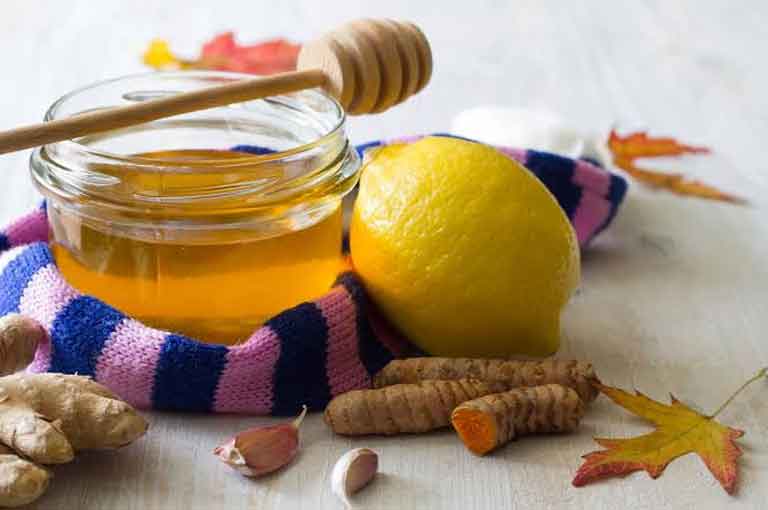
Herbal treatments function as immunomodulators, meaning they contain bioactive plant compounds that help regulate, stimulate, or balance immune cell activity. While they do not replace standard medicine or vaccines, several herbs are widely used to shorten the duration of seasonal illnesses or enhance foundational immunity
The most thoroughly researched herbs for defense and upper respiratory health include:
Elderberry (Sambucus nigra): Rich in anthocyanins. Clinical trials published on PMC show it can substantially reduce the severity and duration of cold and flu symptoms if taken early.
Echinacea: Frequently used according to UGM research to stimulate white blood cell production. It is most effective when taken at the very first sign of a scratchy throat or cold.
Astragalus Root: A staple in traditional practices. It boosts the activity of T-cells and natural killer cells to aid long-term resistance.
Ginger & Turmeric: These roots contain gingerols and curcumin, which act as potent anti-inflammatory agents to prevent immune system overreaction.
Ashwagandha: An adaptogen that lowers cortisol levels. This directly prevents stress from suppressing your body’s natural immune responses.
Herbs contain highly active chemical compounds and must be treated with care
The 8-Week Rule: European regulatory authorities advise against using continuous daily immunomodulatory herbs for more than eight weeks to avoid over-taxing the system.
Autoimmune Warning: If you have conditions like Lupus or Rheumatoid Arthritis, avoid strong immune stimulants like Echinacea or Elderberry. They can accidentally trigger a symptom flare-up.
Medication Interactions: Herbs like garlic and ginger can naturally thin the blood. Consult a physician if you take prescription blood thinners or are preparing for a scheduled surgery.