Vegetables are known as healthy foods rich in vitamins, minerals, and fiber that the body needs. However, not all vegetables are suitable for consumption raw, especially for people with sensitive digestive systems.
Some raw vegetables contain fiber and complex carbohydrates that take longer to digest. As a result, some people may experience symptoms such as a feeling of fullness, gas, and discomfort after consuming them.
Preparing vegetables properly can help make them easier for the body to digest. According to Health, there are six types of vegetables that should be cooked first to reduce the risk of bloating.
- Broccoli
Broccoli is a cruciferous vegetable rich in vitamins A, C, K, and B6, as well as antioxidants. However, consuming raw broccoli can cause bloating. This occurs because broccoli contains high amounts of fiber and raffinose, a sugar that cannot be fully digested by the body in the small intestine. When raffinose reaches the large intestine, gut bacteria break it down, producing gas and causing bloating.
- Cauliflower
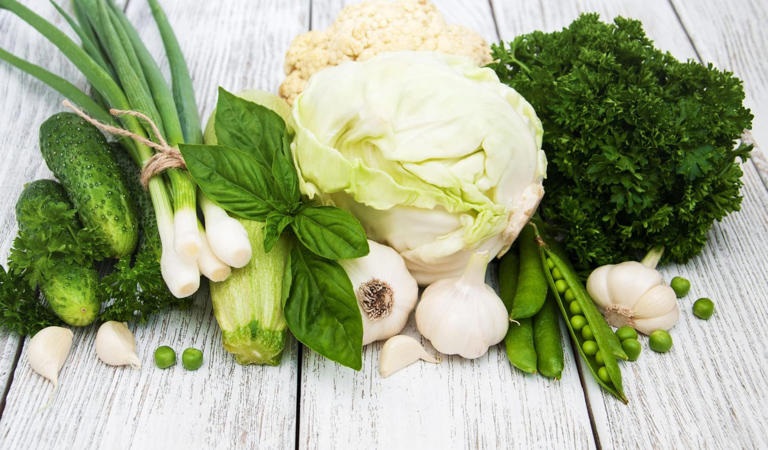
Cauliflower is another cruciferous vegetable that can cause bloating if eaten raw. Like broccoli, cauliflower is rich in fiber and raffinose, which is difficult to digest. Cauliflower also contains sulfur compounds that can contribute to the production of stronger-smelling gas. When these compounds reach the large intestine, they are broken down by gut bacteria.
This results in gas formation, which can trigger bloating and abdominal discomfort, especially if consumed in large portions.
- Cabbage
Raw cabbage contains the complex sugar raffinose and sulfur-containing compounds, which can increase gas production during digestion. Cabbage is also rich in fiber, about 2.2 grams per cup when shredded. If you’re not used to a high-fiber diet, gradually adding raw cabbage can help reduce discomfort.
- Brussels Sprouts
Raw or undercooked Brussels sprouts are more difficult to digest, which can lead to gas and bloating. If Brussels sprouts cause discomfort, try boiling them briefly. Cooking helps break down some of the fiber, making them easier to digest.
- Bell Peppers
Baprika is a good source of vitamins and antioxidants, including vitamin C and carotenoids, which support eye health and reduce inflammation. However, its tough outer skin and insoluble fiber can make it more difficult to digest. Although bell peppers are generally well-tolerated, some people may experience bloating or stomach discomfort after eating them raw.
- Garlic and Onions
Garlic and onions can cause gas and bloating because they contain fructans, a type of carbohydrate that is difficult to digest. Fructans are soluble in water but not in oil. Cooking them can help enhance their flavor.