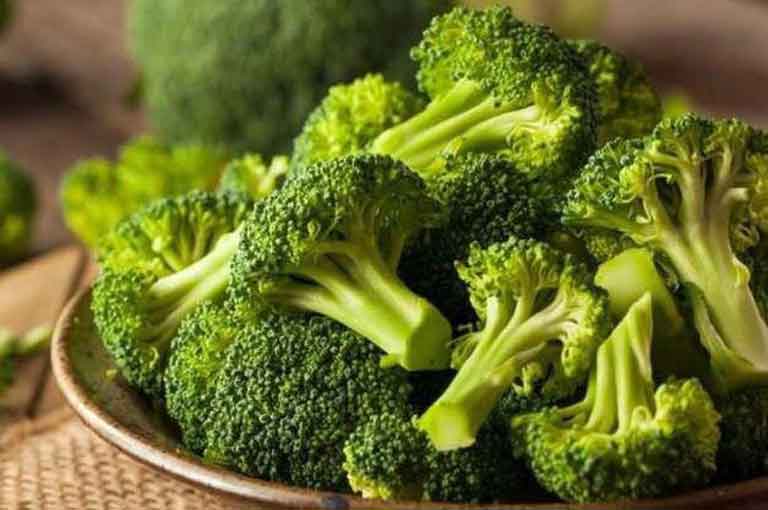
Broccoli is a green vegetable that resembles a miniature tree. Broccoli belongs to the genus Brassica which is also known as the cabbage family.
A pile of steamed broccoli is not appealing to eat, but at the Cleveland Clinic, registered dietitian Beth Czerwony, RD, LD says that, “Broccoli is very versatile and can be used in many different dishes. Put them in your stir-fry, cut them fresh in salads or bake them with your small potatoes. And with its abundant nutrients, there are many benefits to eating broccoli.”
1. Reduces the risk of cancer
“Broccoli offers some powerful molecules that protect cells from damage,” Czerwony said. “Some of them even destroy cancer cells.” The cancer-fighting molecules in broccoli include DIM, indole-3-carbinol and sulforaphane. According to research, they can help:
Detoxification of certain substances that promote the growth of cancer cells, which means that the substance does not eliminate the substance, but it does eliminate its harmful effects.
Provides antioxidants, which prevent cell damage that can lead to cancer.
Stop the growth and spread of cancer cells.
Supporting apoptosis, your body’s process destroys cells that can turn into cancer.
Neutralizes harmful compounds: Deactivates specific toxins that promote cancer growth without destroying the substances themselves.
Provides antioxidants: Prevents the cellular damage that can trigger cancer development.
Inhibits tumor growth: Halts the proliferation and spread of malignant cells.
Triggers apoptosis: Activates the body’s natural process for destroying potentially cancerous cells
2. Supports heart health
Launching Healthline, several studies show that broccoli can support heart health in a variety of ways. High levels of LDL cholesterol and triglycerides are known to be significant risk factors for heart disease. Broccoli can play a role in improving these levels.
A previous study noted a significant decrease in triglyceride and bad cholesterol levels, as well as an increase in good cholesterol levels, in people who took broccoli powder supplements.
Additionally, higher intake of high-fiber foods is associated with a reduced risk of heart disease.
3. Helps manage blood sugar levels
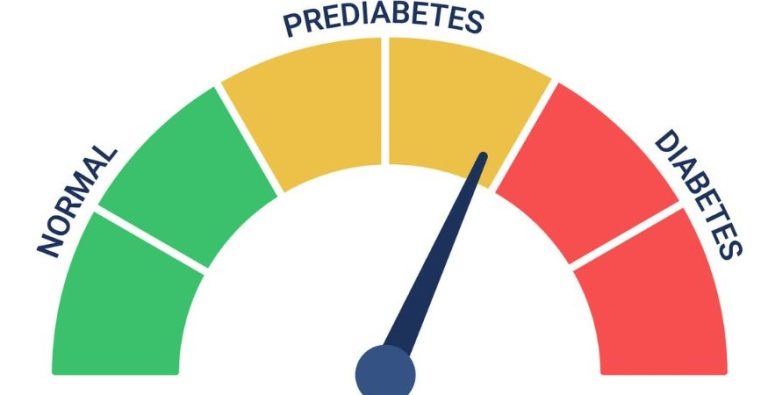
Human and laboratory studies show that the compounds in broccoli can help lower blood sugar levels in people with type 2 diabetes. This effect is likely due to the antioxidant content in broccoli, such as vitamin C.
Research shows that fiber can also help manage blood sugar levels. With a content of 2.5 grams of fiber per cup, broccoli is a good source of this nutrient.
4. Improves digestion and reduces constipation
Broccoli is rich in fiber and antioxidants that can support intestinal function and digestive health. Eating foods rich in fiber and antioxidants such as broccoli may play a role in maintaining healthy bowel function.
A study in mice on a broccoli diet found a decrease in the level of inflammation in the colon and beneficial changes in gut bacteria.
5. Rich in vitamin C
If you don’t get enough vitamin C, you’re more likely to get an infection and weaken your immunity.
The antioxidant effects of vitamin C also help your body control free radicals. “Free radical damage is associated with all kinds of problems, including Alzheimer’s disease, autoimmune disease, cancer, heart disease, and Parkinson’s disease,” Czerwony said.
When you don’t have enough antioxidants to neutralize free radicals, free radicals will damage cells. Interestingly, broccoli has more vitamin C than oranges.